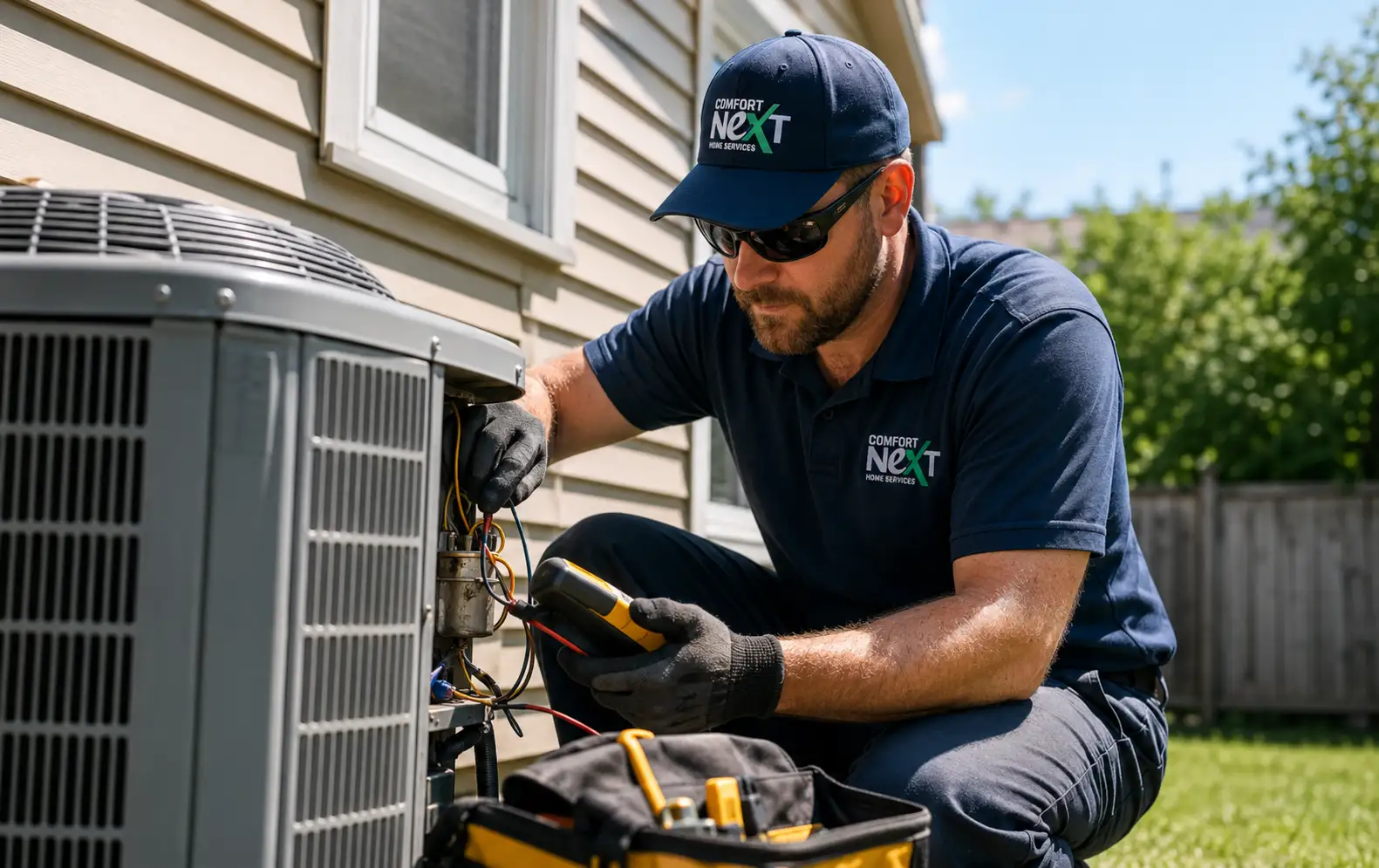

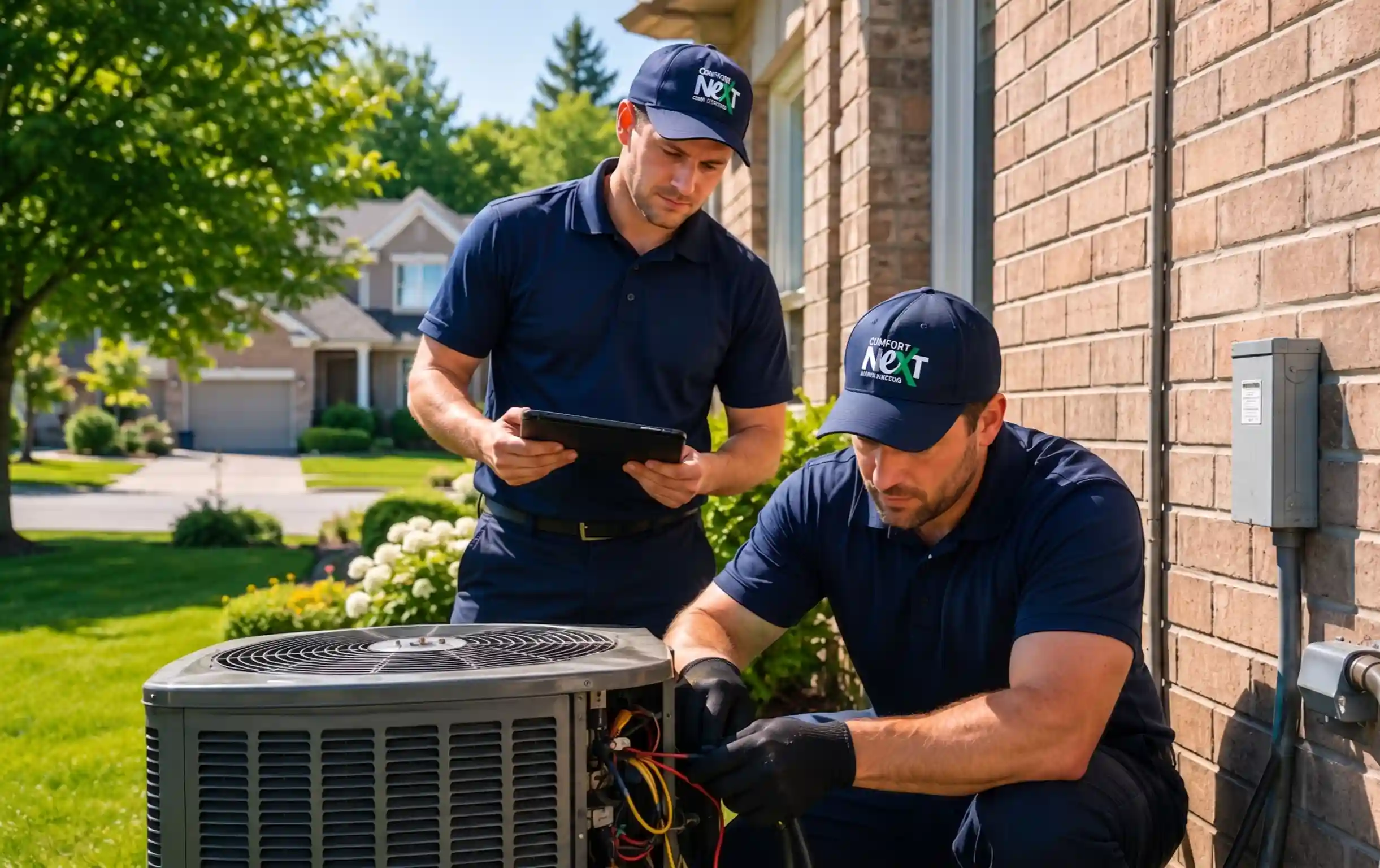
Hot summer weather has started to arrive in Ontario, and for many homeowners, this is the time when the air conditioner goes from “nice to have” to absolutely essential. When outdoor temperatures climb into the high 20s or low 30s, your home can heat up quickly, especially if your AC system has not been checked since last summer.
For homeowners in Aurora and nearby areas, preparing your home for a heat wave is not just about comfort. It can also help reduce stress on your cooling system, improve airflow, lower the chance of sudden AC problems, and keep your home more comfortable during long stretches of hot weather.
This is especially important in 2026. According to Environment and Climate Change Canada’s 2026 global temperature forecast, this year is expected to be among the hottest years on record. That means homeowners should be more proactive about cooling, maintenance, and energy efficiency before the hottest part of summer arrives.
If you want help getting your cooling system ready, Comfort Next is a trusted HVAC company in Aurora, providing professional air conditioning and home comfort services for local homeowners.
How Do You Prepare Your Home for a Heat Wave?
To prepare your home for a heat wave, start by testing your air conditioner, checking or replacing the air filter, clearing the outdoor AC unit, checking airflow from vents, setting your thermostat properly, closing blinds during peak sun hours, using ceiling fans correctly, and watching for warning signs like warm air, weak airflow, unusual noises, or short cycling.
If your AC is not cooling properly, schedule AC repair in Aurora before the issue gets worse during extreme heat.
Don’t wait for a breakdown during extreme heat. Get your cooling system checked by Comfort Next today.
1. Test Your Air Conditioner Now, Not Later
If the weather has already started to feel hot, do not wait for the next extreme heat warning to test your AC. Turn your thermostat to cooling mode and set it a few degrees below the current indoor temperature. Let the system run for 15 to 20 minutes.
During this test, check three things:
First, make sure cool air is coming from the vents. Second, listen for unusual sounds such as banging, buzzing, rattling, or grinding. Third, check if the outdoor unit is running normally.
If the AC turns on but your home does not feel cooler, there may be an issue with airflow, refrigerant, the thermostat, the outdoor unit, or another part of the system. Catching this early can help you avoid a no-cooling emergency during the hottest days of summer.
2. Replace or Check Your Air Filter
A dirty air filter is one of the most common reasons an AC system struggles during hot weather. When the filter is clogged with dust, pet hair, or debris, your air conditioner has to work harder to move air through the system. This can reduce cooling performance, increase energy use, and put extra strain on the equipment.
Before the next hot stretch of weather, remove your air filter and check its condition. If it looks grey, dusty, or blocked, replace it.
Most homeowners should check their filter every 1 to 3 months. However, you may need to replace it more often if you have pets, allergies, recent renovations, or heavy AC use.
A clean filter can help improve airflow, support better indoor air quality, and allow your cooling system to work more efficiently during a heat wave.
3. Clear the Area Around the Outdoor AC Unit
Your outdoor AC unit needs open space to release heat from your home. If the unit is surrounded by grass, weeds, leaves, branches, garden tools, or outdoor furniture, airflow can become restricted.
Walk around the outdoor condenser and remove anything blocking the unit. Try to keep at least 2 feet of clear space around it. Also check the top of the unit and remove leaves, twigs, or debris that may have collected there.
This is a simple step, but it can make a real difference. Better airflow around the outdoor unit helps your AC release heat more effectively, which is especially important when outdoor temperatures are already high.
4. Check Airflow From Every Vent
During a heat wave, poor airflow can make your home feel uncomfortable even if the AC is running. Walk through your home and check the airflow from each supply vent. Make sure vents are open and not blocked by furniture, rugs, curtains, or storage items.
If some rooms feel much warmer than others, the issue may be related to blocked vents, poor duct airflow, insulation problems, sun exposure, or an HVAC system that needs service.
Avoid closing too many vents to force air into other rooms. In many homes, this can create pressure problems and make the system work harder. Instead, keep vents open and look for obvious airflow restrictions first.
If airflow feels weak throughout the home, it may be time to book a professional inspection through our air conditioning services team.
5. Set Your Thermostat Properly During Hot Weather
When the house feels too warm, many people set the thermostat extremely low, hoping it will cool the home faster. In most cases, this does not make the AC cool faster. It simply makes the system run longer.
A better approach is to choose a realistic and comfortable temperature. For many Ontario homes, around 24°C to 26°C can be a reasonable balance between comfort and energy efficiency, depending on the home, humidity level, insulation, and personal preference.
If you have a programmable or smart thermostat, use a schedule. Let the temperature rise slightly when you are away, then cool the home before you return. Try to avoid large temperature swings during extreme heat because your AC may struggle to recover quickly.
Also check the thermostat location. If it is near direct sunlight, a supply vent, the kitchen, or electronics, it may read the wrong temperature and cause cooling issues.
6. Reduce Heat Coming Through Windows
Windows can bring a lot of heat into your home, especially during the afternoon. Rooms with south- or west-facing windows often become warmer during hot weather.
To reduce indoor heat, close blinds, curtains, or shades during the hottest part of the day. This is especially helpful in bedrooms, upstairs rooms, living rooms, and home offices with large windows.
Even though this step seems simple, it can reduce the cooling load on your AC. When less heat enters your home, your air conditioner does not have to work as hard to maintain a comfortable temperature.
7. Use Ceiling Fans the Right Way
Ceiling fans can help you feel cooler by moving air across your skin. They do not lower the actual room temperature, but they can improve comfort and allow you to keep the thermostat slightly higher.
In summer, ceiling fans should usually rotate counterclockwise to push air downward. Use fans when people are in the room, but turn them off when the room is empty.
Fans are helpful during hot weather, but they are not a replacement for AC repair. If your air conditioner is blowing warm air, running constantly, or failing to cool the home, a fan may help temporarily, but it will not fix the underlying problem.
8. Avoid Adding Extra Heat Indoors
During a heat wave, small indoor habits can make your home warmer. Try to avoid using the oven during the hottest part of the day. Use smaller appliances when possible, such as a microwave, toaster oven, slow cooker, or outdoor grill.
You can also run dishwashers, dryers, and other heat-producing appliances in the evening instead of during peak afternoon heat.
These small changes can help reduce the heat load inside your home, especially when your AC is already working hard.
9. Watch for AC Warning Signs During the First Hot Days
The first hot days of the season often reveal problems that were not obvious during mild weather. Pay attention to how your AC performs now that temperatures are already rising.
Common warning signs include:
- Warm air coming from the vents
- Weak airflow
- Unusual noises from the indoor or outdoor unit
- AC turning on and off too frequently
- Ice on the refrigerant line or indoor coil area
- A sudden increase in energy bills
- Uneven cooling between rooms
- The system running constantly without reaching the set temperature
If you notice these signs, do not ignore them. A small issue can become more serious when the system is under pressure. Booking professional AC repair early can help protect your comfort and prevent a more stressful breakdown during a heat wave.
10. Know When It May Be Time for AC Installation
Sometimes a repair is enough to restore cooling performance. However, if your air conditioner is older, inefficient, frequently breaking down, or unable to keep your home comfortable during normal hot weather, replacement may be worth considering.
An aging AC system may run longer, use more energy, and still fail to cool the home properly. If repair costs are becoming frequent or expensive, it may be smarter to compare repair costs with a new high-efficiency system.
If your current cooling system is near the end of its life, Comfort Next can help you explore AC installation in Aurora and choose a system that fits your home, comfort needs, and energy goals.
Heat Wave Home Preparation Checklist
Use this checklist to get your home ready for hot summer weather:
- Test your AC and make sure cool air comes from the vents
- Replace or check your air filter
- Clear leaves, grass, and debris around the outdoor unit
- Keep at least 2 feet of space around the condenser
- Make sure vents are open and unblocked
- Check for weak airflow or warm air
- Set your thermostat to a realistic temperature
- Close blinds and curtains during peak sun hours
- Use ceiling fans when rooms are occupied
- Avoid using heat-producing appliances during the hottest hours
- Watch for unusual AC noises, ice, short cycling, or poor cooling
- Schedule AC maintenance or repair if the system is not performing well
Need Help Keeping Your Home Cool This Summer?
If your AC is not cooling properly, your airflow feels weak, or you want peace of mind before the next heat wave, Comfort Next can help.
Our team provides AC repair, AC installation, air conditioning service, and complete HVAC support for homeowners in Aurora and nearby areas. We can inspect your system, identify issues, and recommend the right solution for your home.
Contact Comfort Next today to get your home ready for hot summer weather.
❓Frequently Asked Questions
Still have questions?
Our experts are here for you 24/7 — contact us for answers and personalized advice.