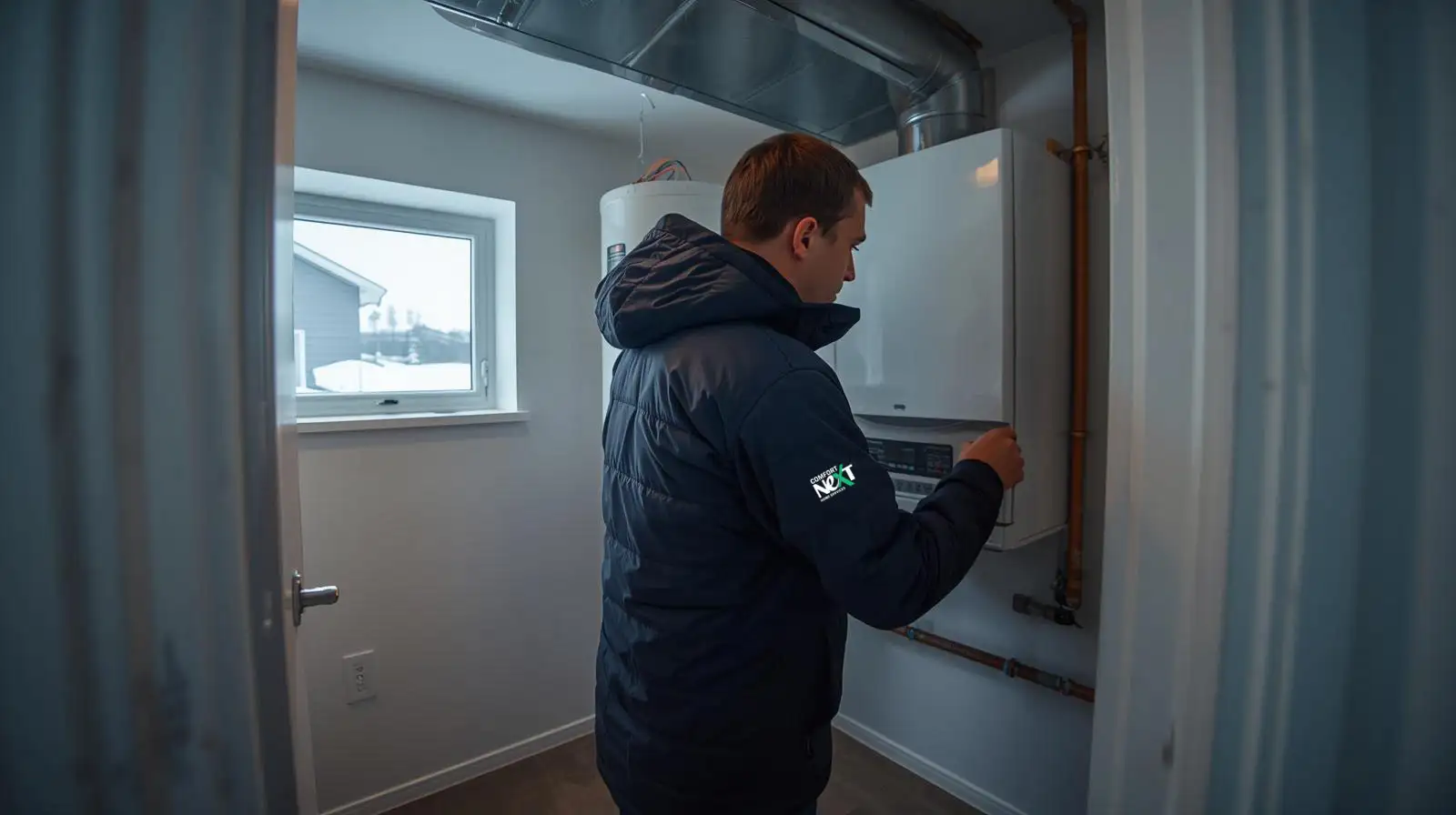


Choosing the wrong furnace size is one of the most common — and costly — mistakes homeowners make. Many assume that a larger furnace means better heating, while others worry about installing a system that’s too small. In reality, both oversizing and undersizing can hurt comfort, efficiency, and long-term performance.
This guide explains the right approach to furnace sizing, especially for homes around 2,000 square feet, and answers the most common questions homeowners ask before replacing a furnace.
Short answer: Neither oversizing nor undersizing a furnace is ideal.
A properly sized furnace delivers the best balance of comfort, energy efficiency, and system lifespan.
Get Your Free Furnace Consultation

Why Furnace Size Matters More Than You Think
Furnace size directly affects:
A properly sized furnace runs longer, steadier cycles — delivering even heat without unnecessary strain or wasted energy.
Why Proper Furnace Sizing Matters
Neither oversized nor undersized furnaces deliver optimal performance.
The most efficient and comfortable solution is a properly sized furnace designed around your home’s actual heating requirements.
Oversized systems heat too quickly and shut off before warmth distributes evenly, leading to short cycling and wasted energy. Undersized furnaces, on the other hand, run continuously, struggle in cold conditions, and experience increased wear.
Right-sizing ensures balanced heat output, improved efficiency, and longer system lifespan.
In colder climates, extended heating seasons make proper furnace sizing even more important for efficiency and comfort.
What Size Furnace Is Needed for a 2,000 Sq Ft Home?
Most 2,000 sq ft homes require a furnace between 60,000 and 100,000 BTUs, but square footage alone is not enough.
Actual furnace size depends on:
General Furnace Sizing Rule of Thumb
Two homes with the same square footage can require very different furnace sizes.
Is a Bigger Furnace Always Better?
No — and this misconception leads to many comfort complaints.
An oversized furnace can cause:
More power does not equal better performance. Accuracy matters more than capacity.
What Happens If a Furnace Is Undersized?
An undersized furnace may:
While undersizing is generally less damaging than oversizing, it still results in inefficiency and discomfort.
Is a 95% Efficient Furnace Worth the Extra Money?
For many homeowners, especially in colder climates, yes.
A 95% AFUE furnace:
When combined with proper sizing, high-efficiency furnaces offer excellent long-term value.
Is a 3.5-Ton System Enough for a 2,000 Sq Ft House?
This question often causes confusion.
A 2,000 sq ft home may need a 3 to 3.5-ton cooling system, but furnace size must be calculated separately. Proper system matching is essential, but they are not interchangeable measurements.
How Much Does It Cost to Add a Heating System to a 2,000 Sq Ft Home?
The total cost depends on:
Choosing the wrong size often leads to higher lifetime costs, even if the initial installation seems cheaper.
How Professionals Actually Size a Furnace
HVAC professionals rely on industry-standard heat load calculations to ensure furnace capacity matches real-world heat loss — not assumptions. This is the same approach used during a professional furnace installation to ensure proper performance and long-term efficiency.
This industry-standard calculation evaluates:
The result is a furnace that heats evenly, operates efficiently, and lasts longer.
Final Takeaway
When it comes to furnaces, bigger is not better — and smaller isn’t safer.
For a 2,000 sq ft home:
The right furnace size is the one designed specifically for your home. Natural Resources Canada provides guidance on heating system efficiency and proper furnace selection for Canadian homes.